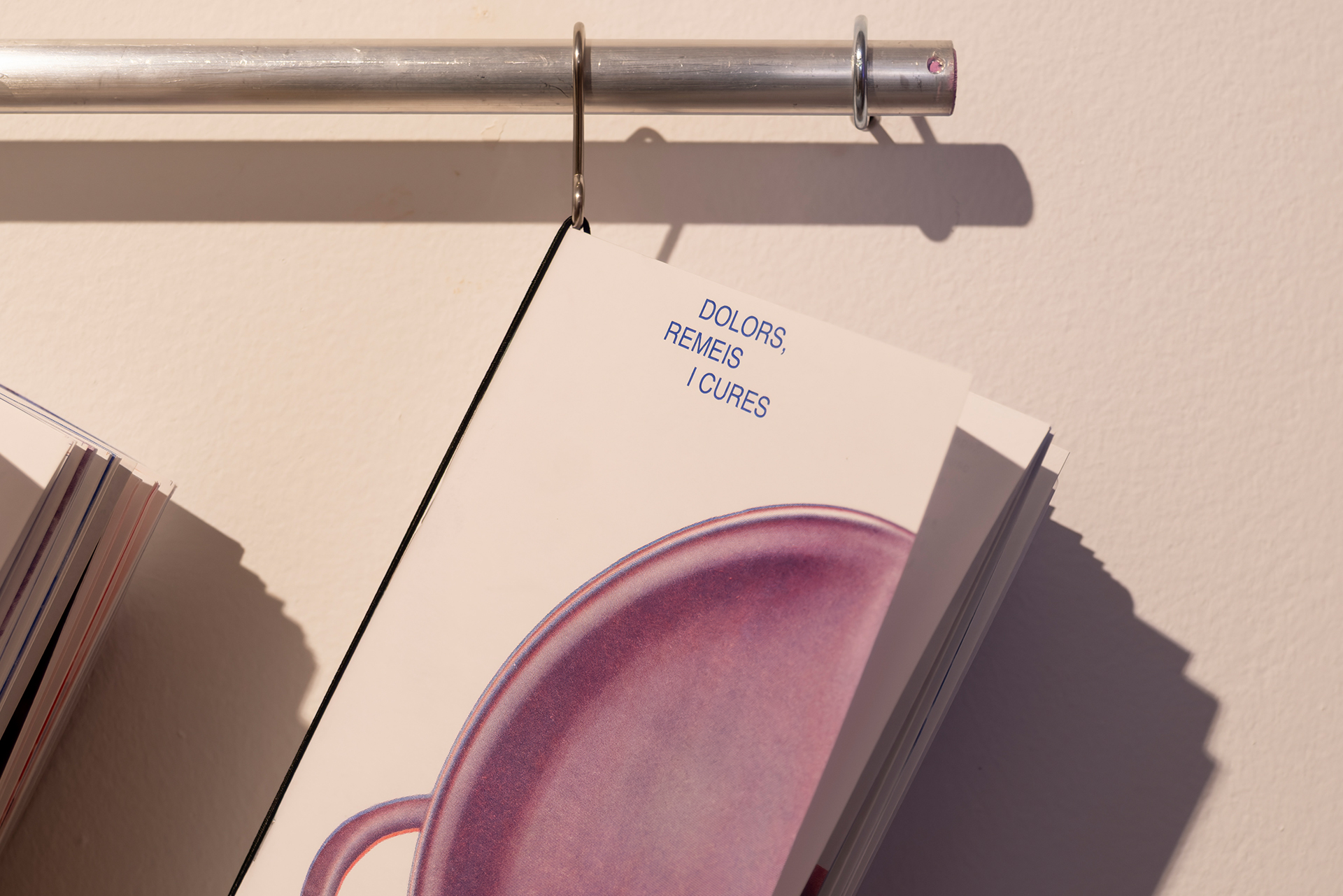
PAINS, REMEDIES, AND CURES (DOLORS, REMEIS I CURES)

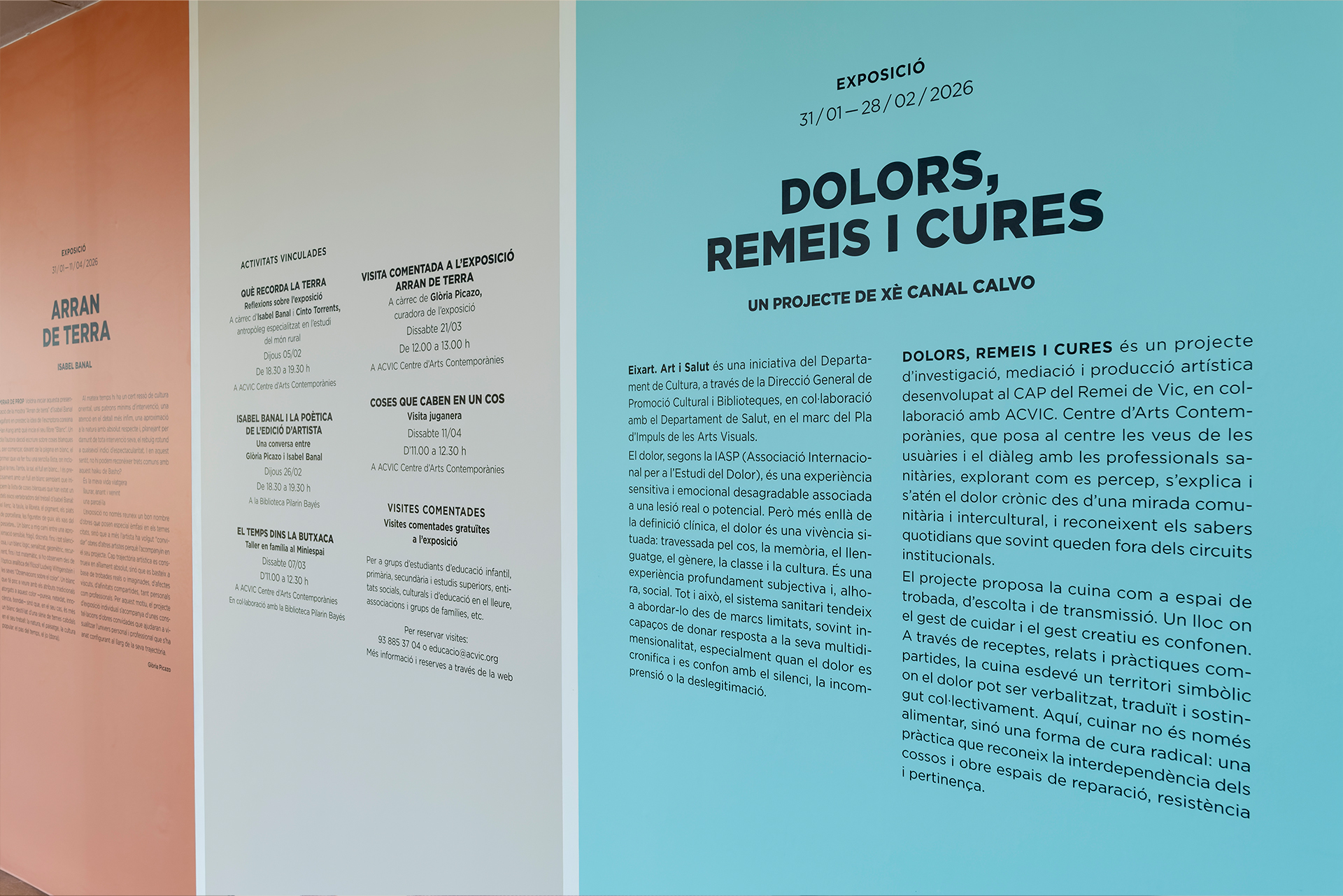
EIXART 1a sessio 60 br31/01/26 – 28/03/2026

A project by Xè Canal Calvo

Opening January 31st at 12 p.m.

Eixart. Art i Salut (Eixart. Art and Health) is an initiative by the Department of Culture, with the General Directorate of Cultural Promotion and Libraries, in collaboration with the Department of Health, as part of the Visual Arts Promotion Plan (Pla d’Impuls de les Arts Visuals).

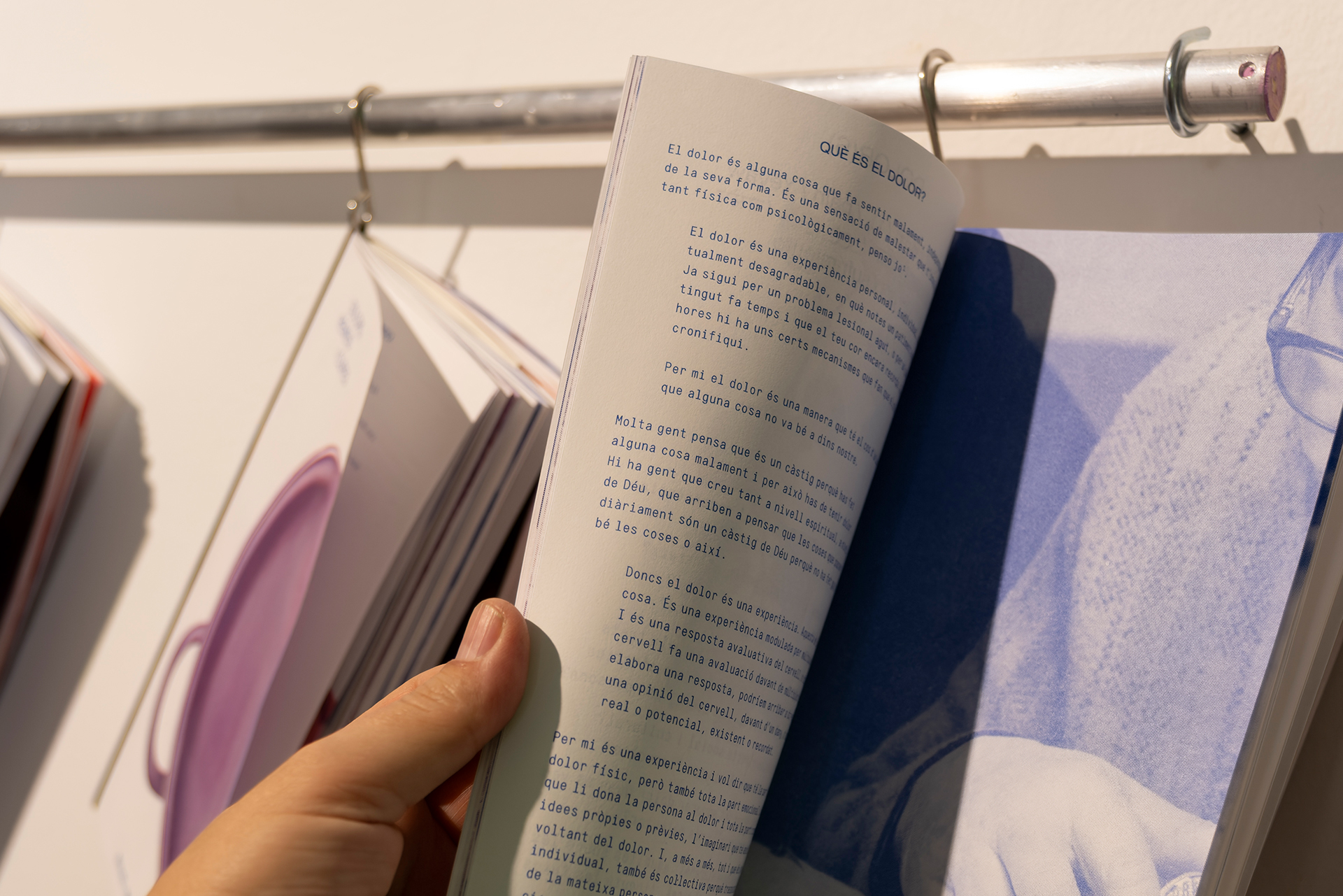
Pain, according to the IASP (International Association for the Study of Pain), is an unpleasant sensory and emotional experience associated with real or potential injury. But beyond the clinical definition, pain is a situated experience, affected by the body, by memory, language, gender, class, and culture. It is a deeply subjective and, at the same time, social experience. However, the healthcare system tends to approach it through limited frameworks. This system is often incapable of responding to pain’s multidimensionality, especially when it becomes chronic, and is concealed with silence, or dismissed by misunderstanding, or delegitimisation.

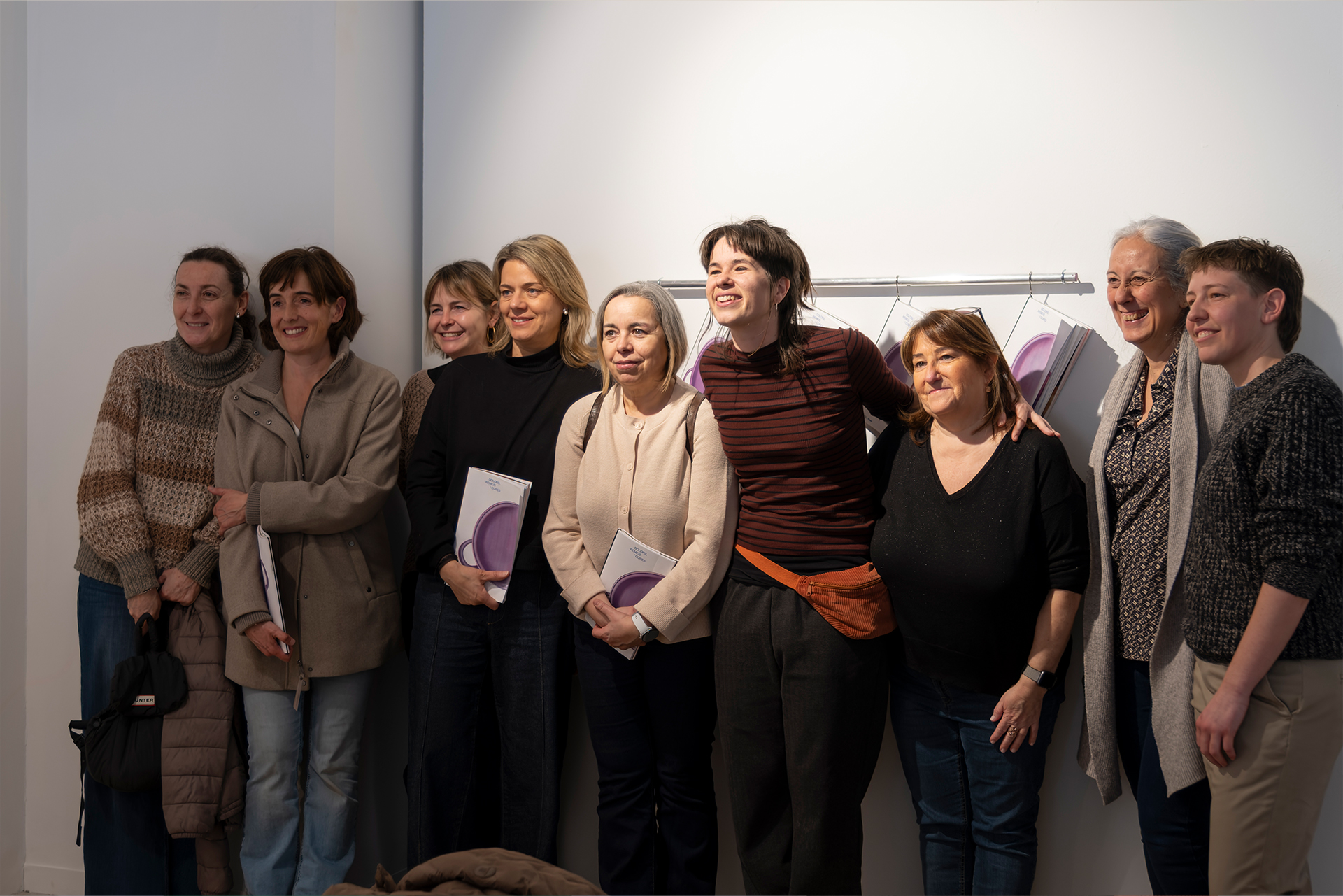
PAINS, REMEDIES AND CURES is a research, mediation, and artistic production project developed at the CAP del Remei de Vic, in collaboration with ACVIC. Centre d’Arts Contemporànies, which focuses on the voices of users and dialogues with healthcare professionals, exploring the ways by which chronic pain is perceived, explained, and treated, from a community and intercultural perspective, and recognising everyday knowledge that often remains outside institutional circuits.

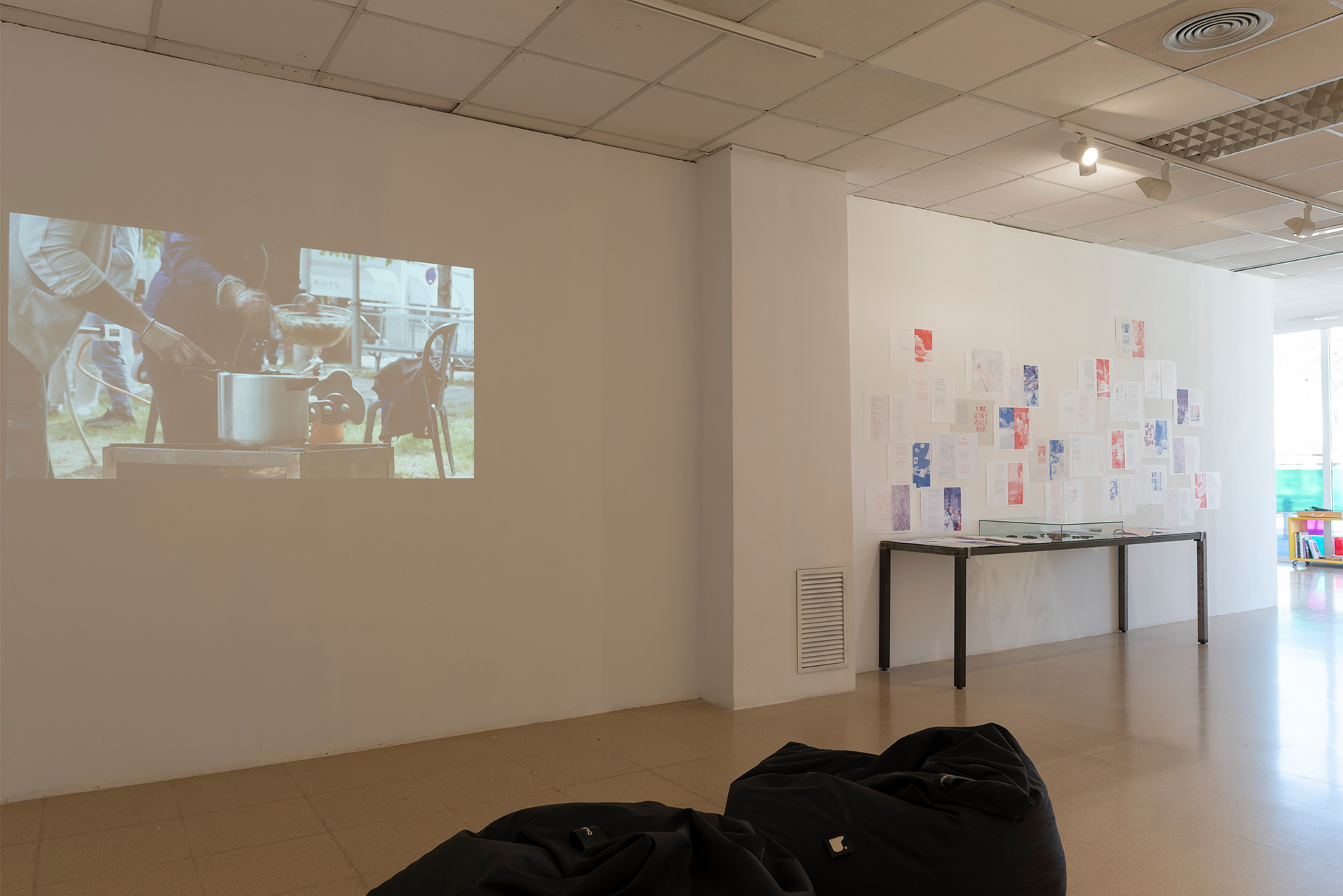
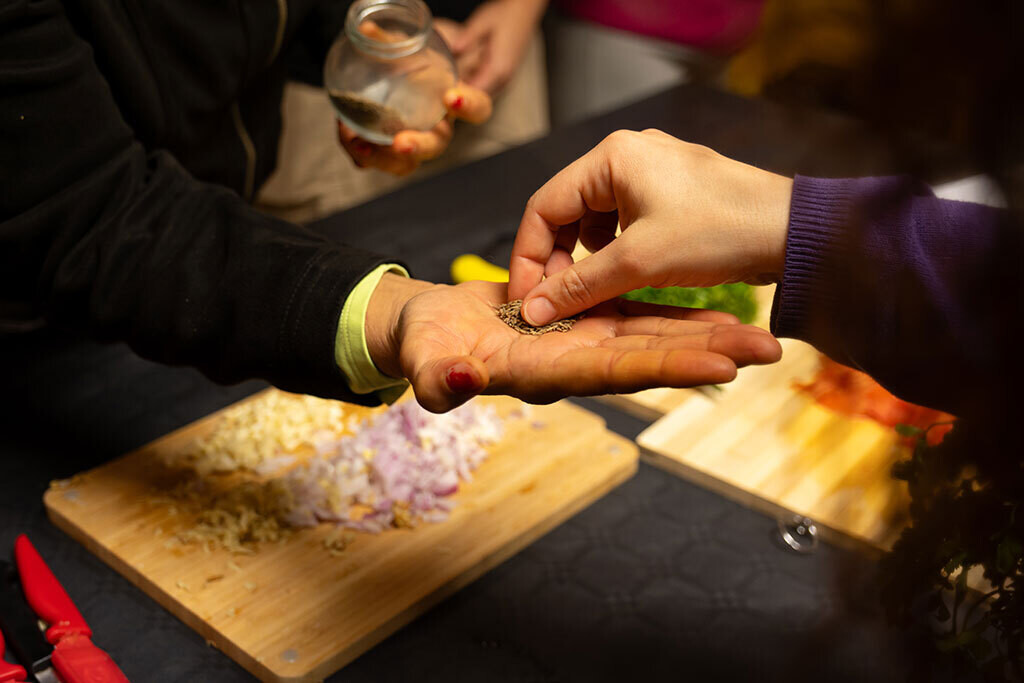
The project makes use of the kitchen as a space for meeting, listening, and transmission; a place where the gesture of caring and the creative gesture merge. Through recipes, stories, and shared practices, the kitchen becomes a symbolic territory where pain can be spoken of, translated, and collectively sustained. Here, cooking is not just about food, but is also a form of radical care, a practice that recognises the interdependence between bodies, and which opens spaces of repair, resistance, and belonging.
31/01/26 – 28/03/2026

A project by Xè Canal Calvo

Opening: January 31 at 12 p.m.

Eixart. Art i Salut (Eixart. Art and Health) is a project by the Department of Culture. The General Directorate of Cultural Promotion and Libraries is also part of the project. The Department of Health works with them. The project is part of the Visual Arts Promotion Plan (Pla d’Impuls de les Arts Visuals).

The International Association for the Study of Pain says that pain is an unpleasant feeling in the body and in our emotions. It can be linked to an injury that we have or might have.

But pain is different for each person. It can be affected by the body, memories, language, gender, social class and culture. Pain is a personal experience. It is also affected by society.

Health services often use limited ways to understand pain. They may not be able to respond to all the different parts of pain. This can be especially difficult when pain lasts a long time. People may not talk about this pain. Others may not understand it or may not believe it is real.

PAINS, REMEDIES AND CURES is a project about research, sharing ideas and making art. It takes place at CAP del Remei de Vic, with ACVIC. Centre d’Arts Contemporànies.

The project listens to people who use health services and brings them together with health professionals. They explore how people experience, explain and treat pain that lasts a long time. They look at this from different community and cultural points of view. They also recognise knowledge from everyday life that is often not included in health services.

The project uses the kitchen as a place to meet, listen and share knowledge. Caring for someone and creating something come together in the kitchen.

People share recipes, stories and activities. The kitchen becomes a place where people can talk about pain, explain it in different ways and support each other.

Cooking is about more than food. It can be a way to care for each other. It shows that our bodies depend on other people. It can also help people recover, resist difficulties and feel that they belong.